
What Is Matcha? Complete Guide (2026)
Matcha lattes are everywhere. Instagram shows perfect froth. Wellness influencers claim it burns fat, boosts focus, fights aging. But is the hype real? Yes but here's why: Matcha isn't colored water. Matcha is a finely ground powder made from whole, shade-grown green tea leaves. Unlike regular green tea where you brew the leaves and throw them away with matcha you drink the entire leaf in powder form. That means you get far more nutrients in every sip. One 2g serving (about half a teaspoon) gives you 105mg of EGCG antioxidants, 48mg of L-theanine, and around 58mg of caffeine. Matcha is grown almost entirely in Japan, mainly in the Uji and Nishio regions.
Most people think matcha is just a trendy green drink. It is not. Unlike every other tea, you drink the entire leaf which is why matcha delivers significantly more antioxidants than a regular green tea bag at least 3 times more EGCG than most steeped green teas, and far higher than most other beverages, steady energy lasting 4 to 6 hours without a crash, and a calm focus that coffee cannot replicate. In this guide you will learn exactly how matcha is made, why grades matter, how to spot a fake, and whether the health claims actually hold up. But before we get into all of that — let us start with what matcha officially is.

The Official Definition of Matcha
Matcha has an official international definition. ISO 20715:2023 used by governments, tea regulatory bodies, and importers worldwide defines matcha in section 3.18 as:
Matcha tea
“Tea derived solely and exclusively, and produced by acceptable processes, notably enzyme inactivation using a steaming process followed by drying, without rolling the leaves, and a fine grinding process for the leaf to make tea powder from harvested tender leaves, buds and shoots, which are grown under the shade, of varieties of the species Camellia sinensis (L.) O. Kuntze var. sinensis, known to be suitable for making tea for consumption as a beverage.”
Any product that skips the shade-growing step is not matcha; it is called ISO, which is simply ground green tea. Funmatsucha is cheaper, has a yellowish color, and lacks the nutrients and flavor that make real matcha special. Many cheap matcha products sold online are actually funmatsucha. One clarification on grinding: premium and ceremonial grade matcha is traditionally stone-ground at 30 to 40 grams per hour to prevent heat damage to nutrients. Lower grade culinary matcha may use mechanical grinding that affects flavor and texture but does not change the classification under ISO 20715:2023.
Source: ISO 20715:2023, Section 3.18 — Tea: Classification of tea types. International Organization for Standardization. — https://www.iso.org/standard/75419.html
What Does Matcha Taste Like?
Matcha has a rich, smooth flavor that tea experts call umami the same savory taste found in foods like mushrooms and parmesan. Good quality matcha is slightly sweet, creamy, and grassy, with almost no bitterness. When you whisk it with water, it creates a light foam on top that makes it feel silky in your mouth.
If your matcha tastes bitter, one of three things is probably happening: the powder is low quality, your water is too hot (above 80°C burns the powder), or the matcha has gone stale from being exposed to air. Fresh, high-grade matcha should never be unpleasantly bitter.
Where Does Matcha Come From?
Powdered tea was first made in China during the Tang Dynasty around the 7th century. Buddhist monks used it to stay alert during long meditation sessions. In 1191, a Japanese Zen monk named Eisai brought tea seeds and the powdered tea method back to Japan from China. While China eventually moved on to loose-leaf tea, Japan kept refining the powdered method.
Over the next few centuries, Japanese samurai adopted tea drinking as part of their mental training. A formal tea ceremony called chado 'the way of tea' developed around matcha, turning it into a cultural art focused on mindfulness and precision. Today, Japan's main matcha-growing regions are Uji (Kyoto), Nishio (Aichi), and parts of Shizuoka, each producing matcha with slightly different flavors based on the local climate and soil.
Japan’s Four Matcha Regions — And Why Each One Tastes Different
Real matcha comes from Japan. Not all Japanese matcha is the same; each growing region has a different climate, soil, and history, and each produces matcha with a noticeably different flavor. Understanding where your matcha comes from is one of the fastest ways to judge its quality before you even open the tin.

Uji, Kyoto — The Benchmark
Uji is regarded as the birthplace of tea in Japan and is considered the gold standard against which all other matcha is measured. The cool, misty climate of Kyoto slows leaf growth — and slower growth concentrates umami, chlorophyll, and L-theanine far beyond what warmer regions can produce. Matcha from Uji has a deep, complex umami flavor with a natural creaminess and almost no bitterness. It is the most expensive matcha in the world because the terroir cannot be replicated anywhere else.
Nishio, Aichi — The Volume Leader
Nishio City accounts for approximately 20% of Japan’s total matcha production. “Nishio Matcha” was officially recognised as a regional brand by the Japan Patent Office in 2009. Its warm climate and flat, fertile land make large-scale consistent production possible. Nishio matcha has a rich, full-bodied flavor with a natural sweetness slightly less complex than Uji but more forgiving and accessible, which is why it is widely used for daily drinking and lattes.
Shizuoka — Japan’s Largest Tea Region, Now Pivoting to Matcha
Shizuoka is Japan’s largest tea-producing region, responsible for around 40% of the country’s total tea output. Historically it was known for sencha, Japan's everyday loose-leaf green tea but that is now changing fast. Riding the wave of the global matcha boom, Shizuoka is actively shifting its production focus from sencha to tencha, the base leaf used to make matcha.
The Asahina district within Shizuoka is particularly noted for high-quality tencha, frequently winning awards at national tea competitions. Shizuoka’s Traditional Tea-Grass Integrated System was also designated a GIAHS (Globally Important Agricultural Heritage System) site in 2013, giving it international recognition for sustainable farming. The flavor profile is fresh, slightly sweet, and clean well suited for premium everyday drinking and high-quality culinary use. At Pekoe, our matcha is sourced directly from Shizuoka.
Kagoshima — The Rising Challenger
Kagoshima is the second-largest tea-producing region in Japan. Its volcanic soil lends a unique mineral richness to the tea. Kagoshima overtook Shizuoka as Japan’s top tea producer by volume in 2025 largely because its flat terrain allows mechanised farming at a scale that hillside regions cannot match. Kagoshima matcha has a robust, slightly bolder flavor and is widely used in commercial blends and culinary applications.

How Is Matcha Made? 7-Step Production Process
Making matcha takes weeks of careful preparation before a single gram of powder is ready. The process starts a month before harvest and ends with stone mills grinding the leaves at just 30 to 40 grams per hour slow enough to prevent heat from damaging the nutrients. Here is exactly how it works, step by step.

Step 1 — Shading the Plants (Oishita)
Three to four weeks before harvest, farmers cover the tea plants with bamboo mats or black mesh nets that block 70 to 90 percent of sunlight. When the plant gets less light, it produces more chlorophyll, the compound that gives matcha its bright green color. It also builds up more L-theanine, the amino acid that makes matcha calming. Shading is what separates matcha from regular green tea and is the single most important step in production.
Step 2 — Picking the Leaves (Tsumi)
Only the youngest, softest leaves at the very top of the plant are picked by hand. This first picking of the year is called Ichibancha or 'first flush.' These leaves have the highest levels of L-theanine and chlorophyll because they absorb the most benefit from the shading period. Leaves picked in later harvests are stronger and more bitter, which is why first-flush matcha costs more.
Step 3 — Steaming the Leaves (Mushi)
Within a few hours of picking, the leaves are steamed at 100°C for 10 to 30 seconds. This stops a natural process called oxidation, the same process that turns cut apples brown and produces black tea. Stopping oxidation early locks in the bright green color and fresh aroma. Japanese green tea is always steamed; Chinese green teas are pan-fried instead, which is why they taste different.
Step 4 — Cooling and Drying
Right after steaming, cold air is blown over the leaves to stop them cooking any further. They are then dried in special machines at temperatures around 170 to 200°C, though the leaves themselves only reach about 70°C. The key difference from other green teas: the leaves are not rolled during drying. Rolling would compress the fibers and make them much harder to grind into a fine powder later.
Step 5 — Removing Stems and Veins (Making Tencha)
After drying, machines strip away all the stems and veins, leaving only the clean flat leaf tissue. This refined material is called tencha. Tencha is the direct ingredient used to make matcha. Without this step, the finished powder would taste woody and rough. This is also what makes matcha more expensive than regular green tea powder - extra equipment, time, and waste are involved.
Step 6 — Cold Storage Aging
High-quality tencha is stored in cold rooms for several weeks or even months before it is ground. During this resting time, the sharp, grassy edge of the flavor softens and the umami deepens. Premium producers in Uji and Nishio consider aging a critical quality step; it is one of the main reasons their matcha tastes smoother than cheaper alternatives that skip this stage.
Step 7 — Stone Grinding (Hikiusu)
Finally, the tencha is fed into traditional granite stone mills. The mills turn slowly grinding only 30 to 40 grams per hour. That is roughly one teaspoon every 60 minutes. The slow speed is intentional: fast grinding creates heat, and heat would destroy the chlorophyll, antioxidants, and aroma compounds. The result is a powder so fine it is smaller than 20 microns about the same texture as baby powder.
How Much Caffeine Does Matcha Have?
A standard 2g serving of matcha has between 38 and 88mg of caffeine. That is more caffeine per gram than regular green tea, because shading the plants causes caffeine to build up in the leaves. However, matcha has roughly half the caffeine of a cup of coffee, and it works very differently in your body.
The reason is L-theanine. This amino acid slows down how quickly caffeine gets absorbed into your bloodstream. Instead of a quick energy spike followed by a crash, matcha delivers steady, calm energy that lasts 4 to 6 hours. A 2014 study published in Nutrition Reviews analyzed 11 controlled trials and found that the combination of L-theanine and caffeine together improves focus and attention more than either one on its own.

Source: USDA FoodData Central (2024). Caffeine content in brewed beverages.
What Makes Matcha's Nutrition So Powerful?
The secret is simple: you drink the whole leaf. When you make regular green tea, you steep the leaves in hot water and then throw them away. That means you only get about 20 to 30 percent of the leaf's nutrients in your cup. With matcha, the entire leaf goes into the powder and then into your drink — so you get 100 percent of everything in it.
One 2g serving of matcha contains around 105mg of EGCG, the main antioxidant in green tea. A 2021 review published in Molecules confirmed that matcha provides significantly more EGCG per serving than steeped green tea because you consume the entire leaf rather than a water extract. The same review confirmed that matcha's ORAC antioxidant score is 1,573 units per gram, nearly 17 times higher than blueberries at 93 units per gram.
Matcha vs. Regular Green Tea — What Is the Difference?
Both matcha and regular green tea come from the same plant — Camellia sinensis. But the way they are grown and prepared creates very different results. Regular green tea delivers only a fraction of the leaf's nutrients because the leaves are discarded after steeping. Matcha delivers everything the leaf contains, because you consume the whole leaf in powdered form.
This is one of the main reasons matcha is often considered more nutrient-dense than traditional green tea. If you're curious about the science-backed health advantages, explore our guide on Matcha Benefits to learn how daily matcha consumption may support energy, focus, antioxidants, and overall wellness.

Source: PMC Kochman et al. (2021). EGCG concentration data. Molecules.
Matcha Grades — Which One Should You Buy?
Not all matcha is made the same way. Grade depends on which harvest the leaves came from and how carefully they were processed. First-flush spring leaves from the top of the plant produce the sweetest, most vibrant matcha. Leaves picked later in the season are stronger and more bitter. Understanding the three grades helps you choose the right matcha for what you want to do with it.
Ceremonial Grade
Ceremonial grade matcha is made from the very first spring harvest of the youngest, most tender leaves at the top of the plant. It has a vivid emerald green color, a silky texture, and a naturally sweet, smooth flavor with almost no bitterness. It is designed to be enjoyed on its own, whisked with hot water, the way it is prepared in traditional Japanese tea ceremonies. Adding milk or sugar to ceremonial grade matcha masks the very qualities that make it special.

Premium Grade
Premium grade matcha uses a blend of first and second harvest leaves. It still has a bright green color and smooth flavor, but with a slightly bolder taste. It works well for daily drinking, matcha lattes, and smoothies. For most people who enjoy matcha every day, premium grade gives the best balance of quality and value.
Culinary Grade
Culinary grade matcha comes from later harvests, giving it a stronger and more bitter taste. That boldness is actually useful when matcha is mixed with other ingredients in cakes, cookies, smoothies, or ice cream because a delicate flavor would get lost. Its color is a duller, more yellowish green due to lower chlorophyll levels from less shading time.

Matcha vs. Coffee — How Are They Different?
Both matcha and coffee give you caffeine, but they work very differently. Coffee hits fast and hard — most people feel it within 15 minutes, and many experience jitters or a crash afterward. Matcha's energy builds more slowly and lasts longer, because L-theanine acts like a natural brake on caffeine absorption, spreading the effect across 4 to 6 hours with no crash.
Coffee also raises cortisol, the stress hormone at higher doses, which is what causes the anxious feeling some people get. Matcha does not produce the same cortisol response. A 2014 meta-analysis in Nutrition Reviews confirmed that the combination of L-theanine and caffeine improves accuracy on attention tasks more than either compound alone, something coffee cannot replicate.

What Are the Health Benefits of Matcha?
Matcha is one of the most studied functional foods of the past decade. Because you drink the whole leaf, every cup gives you concentrated EGCG antioxidants, L-theanine, and chlorophyll nutrients that regular green tea cannot deliver in the same amounts. Research published in peer-reviewed journals has linked these compounds to better focus, healthier cholesterol levels, improved metabolism, and liver support. To read the full breakdown with detailed research citations and safe daily intake guidelines, visit our complete Matcha Health Benefits guide.
Read the full guide: Matcha Health Benefits — mypekoe.com →
How to Tell Real Matcha from Fake Matcha

As matcha has grown in popularity, a lot of fake or low-quality products have appeared on the market. The most common fake is funmatsucha, a regular ground green tea sold under the matcha label. The fastest way to check: look at the color. Real matcha is vivid emerald green. Fake or low-grade matcha looks dull, yellowish, or brownish, even before you add water. Other quick checks are texture (real matcha feels silky, not gritty), foam (real matcha makes a thick creamy foam when whisked), and origin (authentic matcha is from Japan Uji, Nishio, or Shizuoka).

How to Store and Make Matcha
Matcha goes stale quickly when it touches air, heat, or light. Once you open a tin, store it in an airtight container in a cool, dark place; a cupboard or fridge both work. An open tin of ceremonial matcha is best used within 4 to 6 weeks for the best flavor.
To prepare matcha, use water heated to 70 to 75°C not boiling. Boiling water at 100°C destroys the chlorophyll and L-theanine and makes the matcha taste harsh and bitter. Sift about 1 to 2 grams of powder into your bowl first (sifting removes clumps), then add 60 to 70ml of hot water and whisk in a quick W or zigzag motion for 30 to 40 seconds until a light foam forms on top.
7 Common Matcha Myths — Set Straight

Is Matcha Safe to Drink?
For most healthy adults, 1 to 2 servings of matcha a day about 2 to 4 grams is considered safe based on clinical research. Because matcha is a concentrated whole-leaf powder, the EGCG levels are much higher than in regular green tea, which means a few specific groups should be careful.
Pregnant women should limit matcha because high catechin intake may interfere with folic acid absorption, and caffeine crosses the placenta. People with iron deficiency should drink matcha between meals rather than with food, because tannins in matcha can reduce how well the body absorbs iron. In very rare case reports, extremely high doses of EGCG typically from concentrated supplements, not from matcha powder consumed on an empty stomach have been linked to temporary liver enzyme changes. At normal 1 to 2 daily servings of matcha powder, this is not a concern for healthy adults.
Source: Kochman J. et al. (2021). Matcha safety and dosage review. Molecules. PMC7796401.

Try out our Matcha
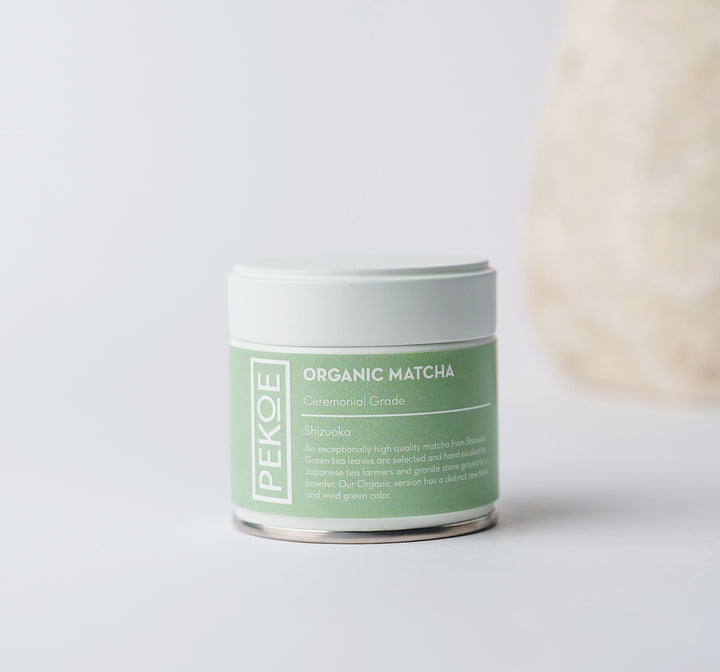
Organic Matcha
Exceptionally high quality matcha from Shizuoka stone ground for raw taste and color.
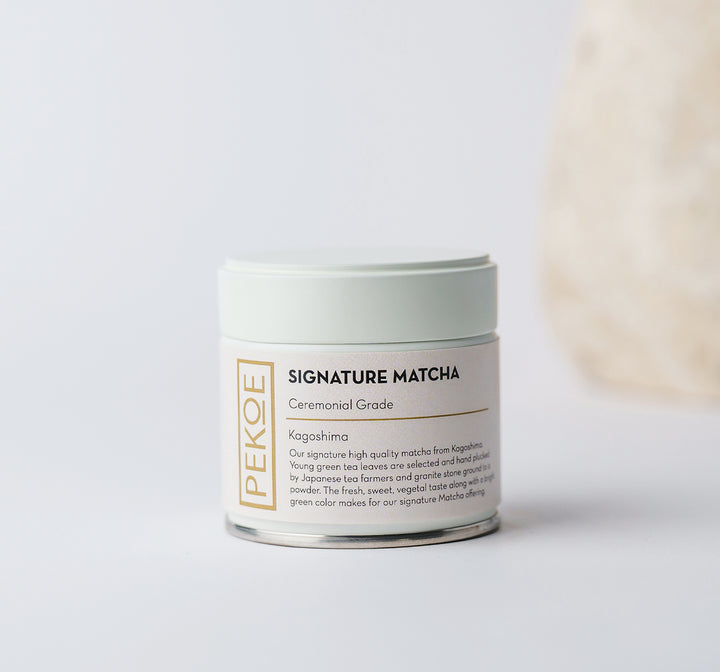
Signature Matcha
Premium matcha from Kagoshima, Japan with fresh, sweet taste and vibrant green color.
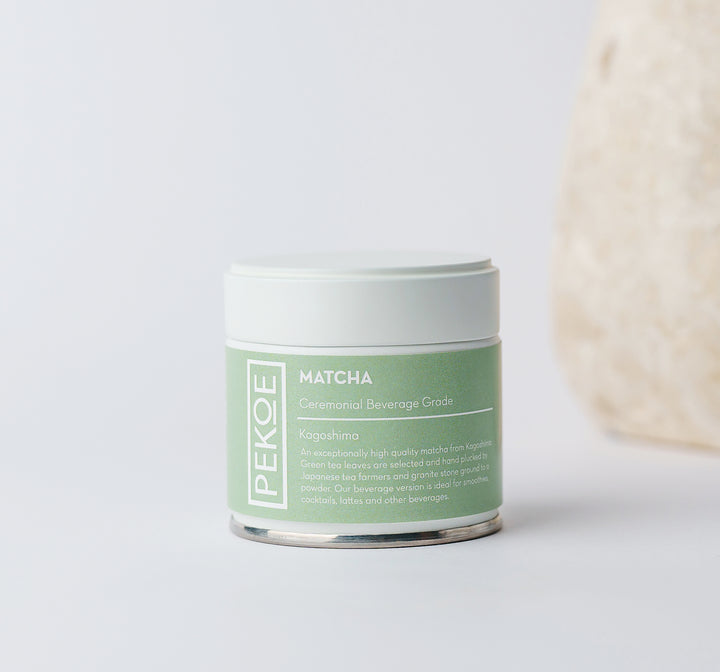
Matcha Beverage Grade
Beverage grade matcha from Kagoshima, Japan with smooth flavor, perfect for lattes.

Yabukita Genmai Matcha Organic
Yabukita Genmai Matcha from Japan with toasty, nutty & fresh grassy vegetal notes.
Frequently Asked Questions
IS IT OK TO DRINK MATCHA EVERY DAY?
WHAT ARE THE SIDE EFFECTS OF MATCHA?
DOES MATCHA STAIN YOUR TEETH?
IS MATCHA SAFE DURING PREGNANCY?
IS MATCHA HEALTHIER THAN GREEN TEA?
HOW SHOULD A BEGINNER START WITH MATCHA?
WHY IS MATCHA SO EXPENSIVE?
DO I NEED SPECIAL EQUIPMENT TO MAKE MATCHA?
WHY IS MATCHA SUDDENLY EVERYWHERE IN 2026?
IS THERE A MATCHA SHORTAGE IN 2026?
IS MATCHA HALAL?
CAN I DRINK MATCHA DURING RAMADAN?
IS ICED MATCHA A GOOD DRINK FOR DUBAI’S SUMMER?
WHERE CAN I BUY AUTHENTIC MATCHA IN DUBAI?
References and Sources
- ISO 20715:2023 — Tea: Classification of tea types (iso.org/standard/75419.html). International Organization for Standardization. — https://www.iso.org/standard/75419.html
- ISO/TR 21380:2022 — Matcha tea: Definition and characteristics. International Organization for Standardization. — https://www.iso.org/standard/80777.html
- Kochman J. et al. (2021). Health Benefits and Chemical Composition of Matcha Green Tea: A Review. Molecules. PMC7796401. — https://www.ncbi.nlm.nih.gov/pmc/articles/PMC7796401/
- Haskell C.F. et al. (2014). L-Theanine and caffeine combination — meta-analysis of 11 studies. Nutrition Reviews. PMID: 24946991. — https://pubmed.ncbi.nlm.nih.gov/24946991/
- Dietz C. & Dekker M. (2017). Effect of Green Tea Phytochemicals on Mood and Cognition. Current Pharmaceutical Design. — https://pubmed.ncbi.nlm.nih.gov/28056735/
- Weiss D.J. & Anderton C.R. (2003). Determination of catechins in matcha green tea by micellar electrokinetic chromatography. Journal of Chromatography A. PMID: 12830314. — https://pubmed.ncbi.nlm.nih.gov/
- USDA FoodData Central (2024). Caffeine content in brewed beverages. — https://fdc.nal.usda.gov/
- Mordor Intelligence (January 2026). Matcha Market Size, Share & Growth Forecast 2026–2031. — https://www.mordorintelligence.com/industry-reports/matcha-market


