
8 Japanese Green Teas Every Tea Lover Should Try
Japanese green tea is defined as tea grown in Japan and processed mainly through steaming rather than roasting, a method that preserves the leaf's bright color and produces a grassy, umami-rich flavor.
This style of tea is important as it offers a wide range of tastes and strengths, from light and refreshing to rich and savory, depending on how the leaves are grown, shaded, and prepared. It is not something everyone may be familiar with beyond common varieties such as sencha or matcha, particularly for those who are new to loose-leaf brewing.
There are several distinct teas that may help tea lovers broaden their palate, as Japanese green tea culture includes far more variety than most people realize. The types of Japanese green tea worth exploring can include Sencha, Matcha, Gyokuro, Hojicha, Genmaicha, Fukamushi Sencha, Shincha and Kukicha. The possible Japanese green teas to try are listed below.
- Sencha: Sencha is Japan's most widely consumed green tea, made from sun-grown leaves that are steamed and rolled to produce a bright, grassy flavor.
- Matcha: Matcha is a powdered green tea made from shade-grown leaves, offering a rich, creamy texture and a concentrated umami taste.
- Gyokuro: Gyokuro is considered Japan's highest grade of loose-leaf tea, shaded for weeks before harvest to create a sweet, syrupy flavor.
- Hojicha: Hojicha is a roasted green tea with a nutty, toasty flavor and a naturally low caffeine content compared to other varieties.
- Genmaicha: Genmaicha blends green tea leaves with toasted brown rice, resulting in a warm, comforting flavor nicknamed "popcorn tea."
- Fukamushi Sencha: Fukamushi Sencha is a deep-steamed variety of sencha, producing a bolder, fuller-bodied cup with reduced astringency.
- Shincha: Shincha is Japan's seasonal "new tea," made from the very first spring harvest for a fresh, vibrant flavor.
- Kukicha: Kukicha is a twig tea made from stems left over from processing premium teas, offering a sweet, low-caffeine profile.
Ready to Start Exploring Japanese Green Tea?
Browse a full range of authentic, small-batch Japanese teas sourced directly from Japan's growing regions.
Shop the Japanese Tea Collection →
1. Sencha
Sencha forms the backbone of everyday Japanese green tea, making up the largest share of what is grown and consumed across the country. The leaves are grown in full sunlight, then steamed almost immediately after picking to stop oxidation, rolled into thin needle shapes, and dried.
This sun exposure is what gives sencha its signature bright, grassy character, along with a clean finish and a light natural sweetness. According to Sugimoto USA, a long-established Uji-based tea producer, the specific cultivar used can shift a sencha's flavor considerably, from sweeter and rounder to sharper and more vegetal.
According to Just One Cookbook, sencha accounts for the majority of all tea produced in Japan, making it the most common starting point for new drinkers. For a well-balanced introduction to the style, the Asanoka Sencha Premium is a strong benchmark, while the Saemidori Sencha Premium Organic leans noticeably sweeter and less astringent.
Brewing sencha correctly matters more than most people expect, since water that is too hot will scorch the leaves and pull out unwanted bitterness. A cooler brew, closer to 70–75°C, preserves the tea's natural sweetness far better than boiling water.
2. Matcha
Matcha stands apart from the rest of this list because it is consumed as a powder rather than steeped and discarded as loose leaf.
The tea plants are shaded for several weeks before harvest, then the leaves are steamed, dried, destemmed, and finally stone-ground into a fine powder. Because the whole leaf is consumed, matcha delivers a concentrated dose of flavor and nutrients that loose-leaf teas cannot fully replicate.
According to Just One Cookbook, a widely referenced resource on Japanese food and tea culture, matcha is graded into culinary, premium, and ceremonial tiers depending on its intended use.
According to Senbird Tea, ceremonial-grade matcha is meant to be whisked and consumed on its own, while culinary grade suits lattes, baking, and smoothies. Pekoe's Matcha Beverage Grade suits everyday lattes, while the Signature Matcha is built for drinking on its own. Readers still deciding which grade suits them can review the difference between ceremonial and culinary matcha before buying a tin.
Premium matcha from Kagoshima, Japan with fresh, sweet taste and vibrant green color.
Exceptionally high quality matcha from Shizuoka stone ground for raw taste and color.
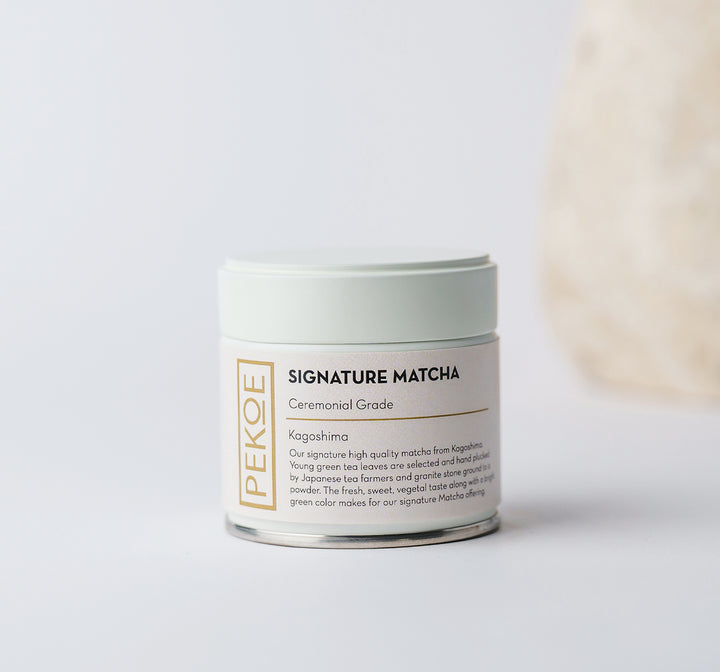
Signature Matcha
Sale price
AED 150.00
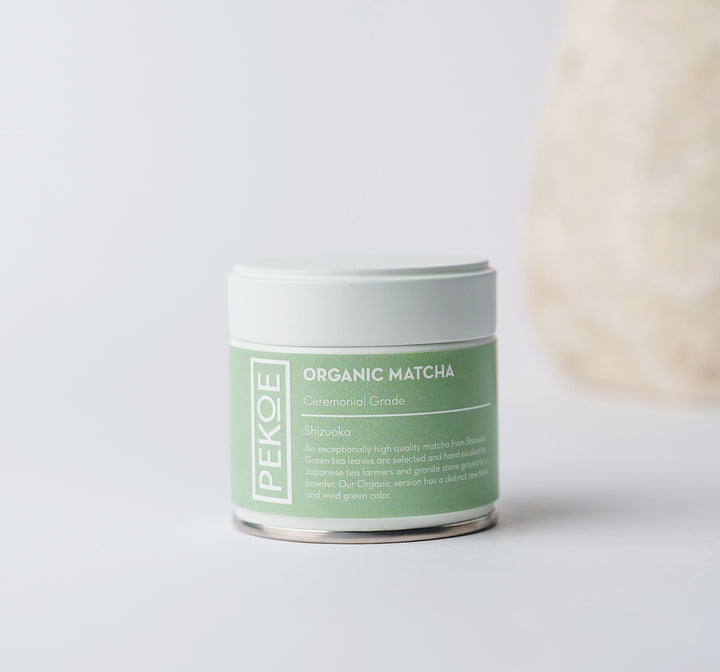
Organic Matcha
Sale price
AED 175.00
3. Gyokuro
Gyokuro is widely regarded as Japan's most prized loose-leaf tea, and the shading process is what earns it that reputation. Leaves are shaded for roughly three to four weeks before harvest, which reduces the bitter compounds in the leaf while boosting amino acids such as L-theanine.
This shading period is directly responsible for gyokuro's deep, syrupy umami flavor, often described as similar to a light seaweed broth. According to Senbird Tea, a specialist Japanese tea retailer, gyokuro's cultivar selection plays a major role in how pronounced that umami character becomes.
According to Medium's Afternoon Tea Time publication, gyokuro is often reserved for special occasions in Japan rather than daily drinking, given its cost and preparation time. The Yabukita Gyokuro Premium is a dependable starting point, while the Saemidori Gyokuro Organic offers a rounder, more delicate variation.
Gyokuro should always be brewed cooler and longer than sencha, since rushing it with hot water overpowers its natural sweetness.
4. Hojicha
Hojicha is the clearest outlier among Japanese green teas, since it is roasted rather than left as raw steamed leaf.
According to Japanese Taste, an online retailer specializing in Japanese food and beverage exports, the roasting method is believed to have originated in 1920s Kyoto. A tea merchant reportedly roasted unsold leftover leaves rather than discard them, and the technique stuck.
That roasting process breaks down much of the tea's natural caffeine and tannins, producing a warm, nutty flavor that is easier on the stomach than most green teas.
According to the Japanese Green Tea Company, hojicha's low caffeine content makes it one of the few green teas considered suitable for children and the elderly. This makes hojicha a practical option for people who are sensitive to caffeine or who want a soothing cup later in the day.
The Yabukita Hojicha Organic is a gentle, well-rounded example, with a toasty depth that holds up well with or without milk.
Craving Something Warm and Comforting?
Discover roasted and blended teas built for slower, cozier moments throughout the day.
5. Genmaicha
Genmaicha is best understood as a blend rather than a single tea leaf on its own. It combines sencha or bancha with toasted, puffed brown rice, and some kernels visibly pop during roasting, giving the tea its popular "popcorn tea" nickname. Because the blend contains less actual tea leaf per serving, genmaicha is naturally lower in caffeine than a straight sencha or gyokuro.
According to Digjapan, a Japan-focused travel and culture publication, genmaicha was originally created as an economical way to stretch limited tea leaves further during leaner harvests.
According to the Japanese Green Tea Company, this economical origin is part of why genmaicha remains such a popular everyday staple in Japanese households. The Yabukita Genmaicha Organic is one of the more approachable entry points, while the Genmai Matcha adds a dusting of matcha for a rounder, slightly sweeter finish.
6. Fukamushi Sencha
Fukamushi translates to "deep-steamed," and the distinction lies entirely in processing time. Standard sencha is steamed for roughly 30 to 60 seconds, while fukamushi sencha is steamed for two to three times as long. This extended steaming breaks the leaf down more thoroughly, which is why fukamushi tea often looks cloudier and darker in the cup than regular sencha.
According to Matador Network, a travel publication that has covered Japanese tea regions extensively, the technique became popular partly because it produces a fuller-bodied cup. According to Mizuba Tea, the longer steaming time also softens much of the astringency some drinkers find off-putting in standard sencha.
The Saemidori Fukamushi Deep Steamed Sencha Organic suits anyone who enjoys sencha's flavor but prefers a smoother, bolder cup.
7. Shincha
Shincha, meaning "new tea," is the seasonal delicacy of the Japanese tea calendar. It is made from the very first flush of spring leaves and is rushed to market rather than blended over time the way most sencha is for year-round consistency.
This speed to market is precisely what makes shincha so highly sought after, since its flavor shifts slightly from year to year depending on that season's growing conditions. According to Path of Cha, a tea education resource focused on Japanese harvests, shincha is often treated as an annual event by dedicated drinkers rather than a routine purchase.
According to Senchateabar, shincha's limited harvest window is part of what drives its premium pricing each spring. The Asanoka Shincha Premium offers a chance to taste that seasonal freshness directly, though availability is limited to harvest season.
8. Kukicha
Kukicha, sometimes called twig tea, is made from the stems, stalks, and midribs left over after processing premium teas such as sencha and gyokuro. Rather than being treated as a lesser byproduct, it has become a favorite in its own right.
Kukicha's low caffeine content and naturally sweet, lightly nutty flavor make it an easy everyday choice for people who want the taste of Japanese green tea without a strong caffeine effect.
According to Just One Cookbook, kukicha is considered one of the most budget-friendly ways to experience high-quality tea character. According to Timesofindia's tea guide, using stems rather than whole leaves also means less waste in the overall tea production process.
The Yutakamidori Kukicha Organic is a forgiving, approachable option well suited to first-time loose-leaf drinkers.
What Is the Best Way to Brew Japanese Green Tea?
Brewing temperature and time vary considerably across Japanese green tea types, and getting this right has a significant impact on flavor.
Delicate teas such as gyokuro and matcha call for cooler water, generally between 50°C and 70°C, and longer steeping to draw out their natural sweetness without bitterness. Sturdier teas such as hojicha, genmaicha, and kukicha are more forgiving and can handle slightly hotter water without turning bitter, making them a practical choice for less precise brewing setups.
Does Japanese Green Tea Contain Caffeine?
Most Japanese green teas do contain caffeine, though the amount varies widely depending on processing and which part of the plant is used. Teas made from young, shaded leaves, such as matcha and gyokuro, tend to carry higher caffeine levels, while roasted or stem-based teas such as hojicha and kukicha are naturally much lower. People who are sensitive to caffeine, or drinking tea later in the day, may want to favor these lower-caffeine varieties.
FAQs
What is the best Japanese green tea to drink?
What is the highest grade of Japanese green tea?
Is it good to drink Japanese green tea every day?
Which is the healthiest Japanese tea?
What is Japanese green tea made of?
Is sencha or gyokuro healthier?
What is the difference between Chinese green tea and Japanese green tea?
Does Japanese green tea have caffeine?
What's the difference between matcha, sencha, and gyokuro?
Which Japanese tea is best for weight loss / reducing belly fat?
What's the difference between hojicha and genmaicha?
Is kukicha the same as bancha?
Which Japanese Green Tea Will You Try First?
Which Japanese Green Tea Will You Try First?
With eight distinct styles to choose from, there is a Japanese green tea suited to almost any taste or occasion. Browse the full range online or visit Pekoe Tea & Bread Bar in Alserkal Avenue, Dubai, to taste a few side by side before choosing a favorite.